Aerosconic
Breathable stretch film with controlled perforation — engineered to let the load breathe and stop condensation.
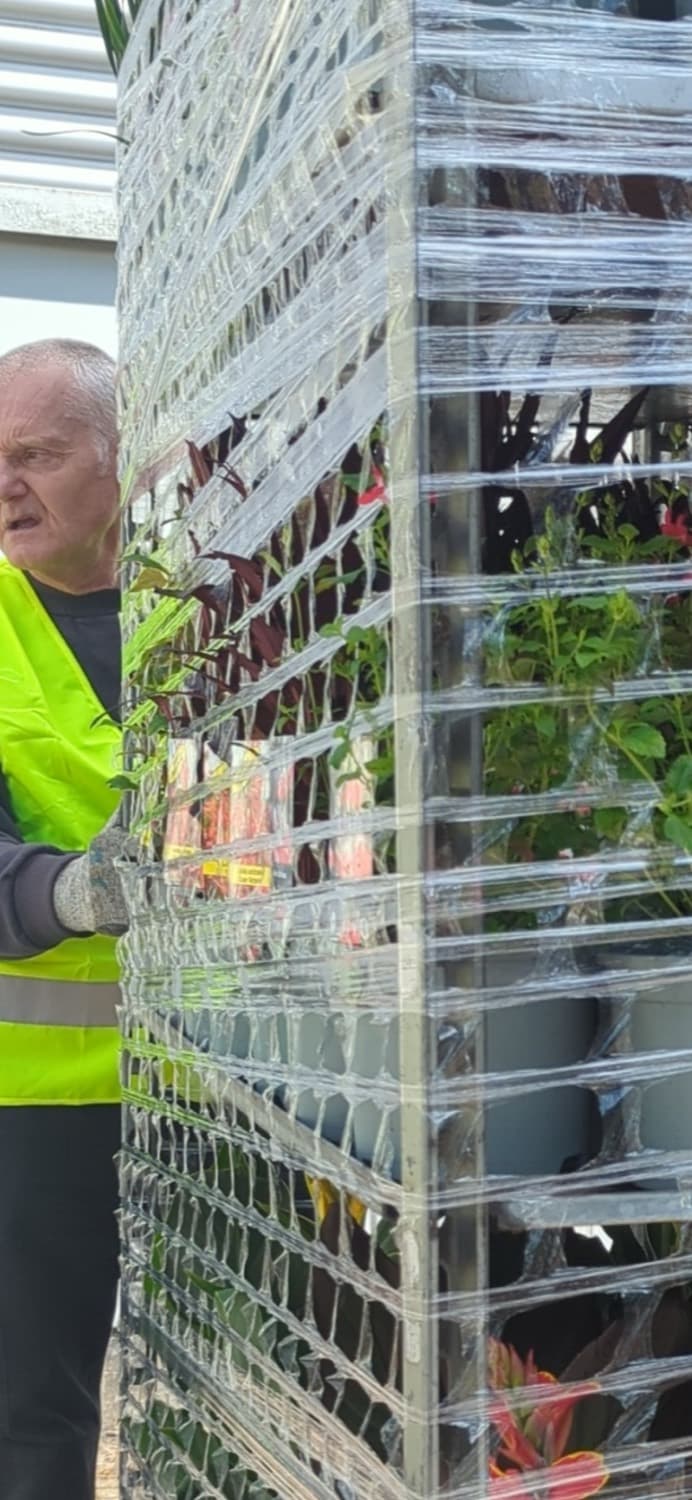
Solid film traps heat and moisture against the load. The result: condensation, slow cooling, spoiled produce, rusting can crowns, peeling labels and rejected shipments.
A sealed plastic skin has no way to release water vapour or warm air. The load sweats inside its own wrap.
Aerosconic introduces a precise perforation pattern — large enough for controlled airflow, small enough to keep contaminants and pests out.
Rival perforated films can look identical on the roll. In use they are not: their holes do not open as the film is applied, because the film itself will not stretch — an inherent weakness in the material. The perforation you paid for never delivers the airflow it promises. Aerosconic is built the other way round — hole size and density are set to your load, not left to chance.
What it does for your operation
- Controlled perforation for airflow without exposure
- Eliminates condensation and the rust, mould and label damage it causes
- Speeds cooling and blast-freezing — product reaches temperature faster
- Reinforced edges keep containment force where solid films fail
- Machine and hand grades
Aerosconic
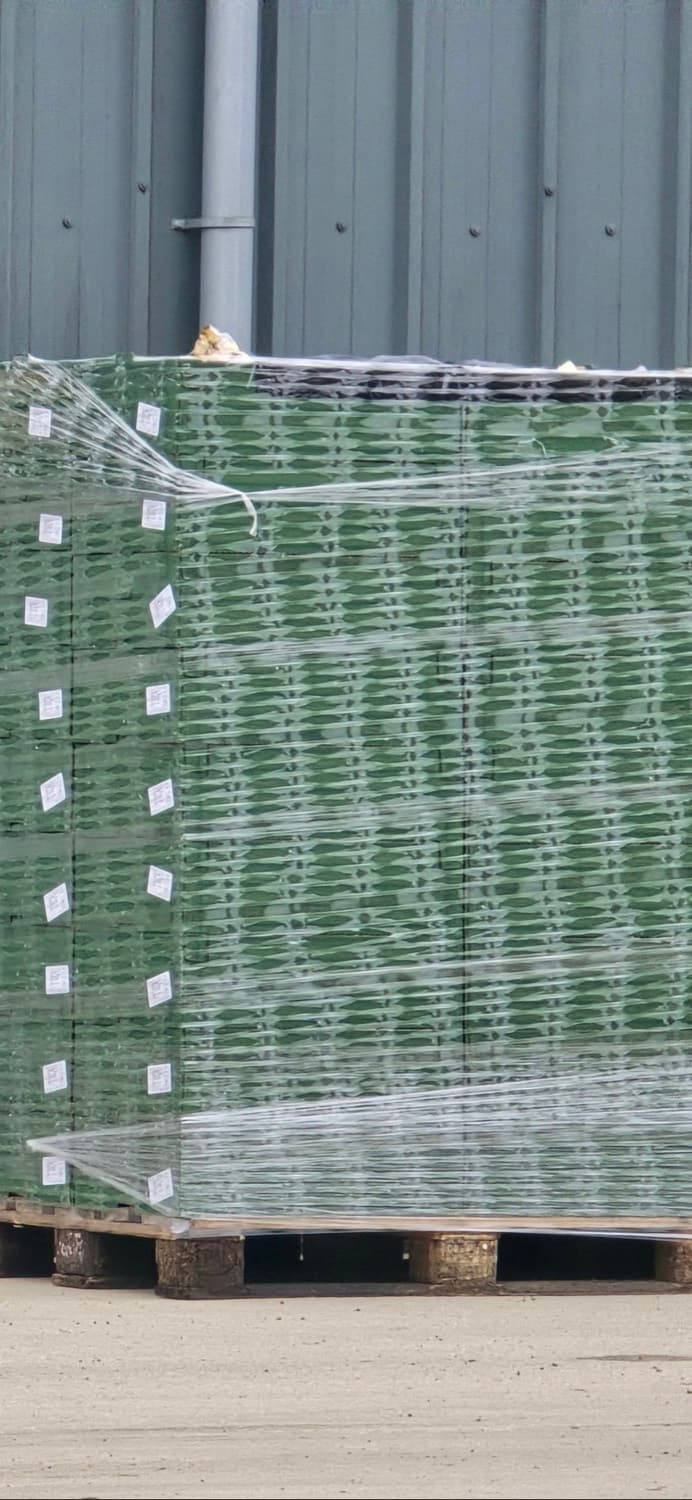
Pallet of crates wrapped in perforated Aerosconic film, airflow visible through the wrap 
Perforated film web opening out as it is drawn from the wrapper 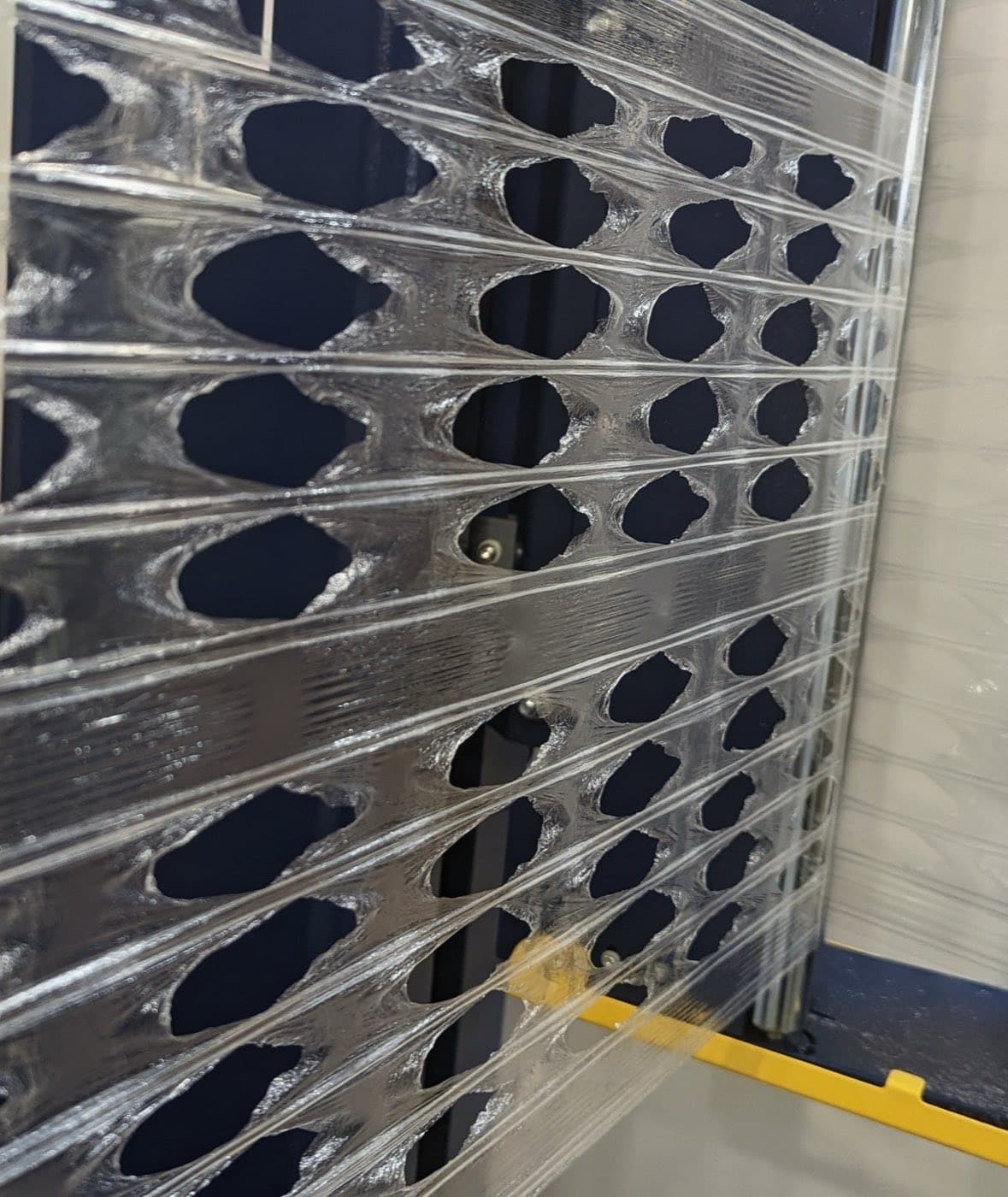
Macro-perforated Aerosconic SuperLite film with large aeration holes, applied on a wrapper 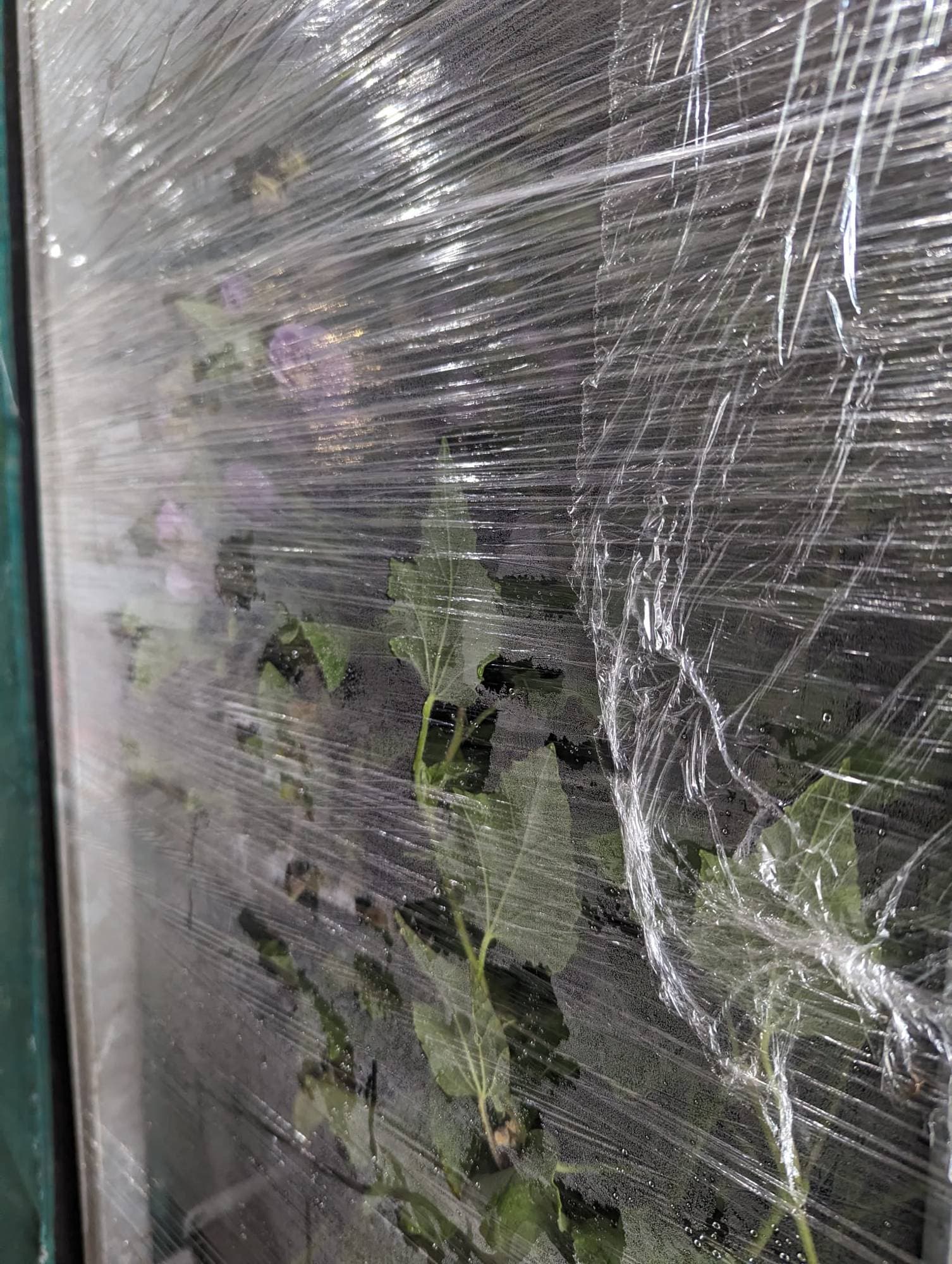
What happens under SOLID film: condensation soaks the load — Aerosconic's perforation prevents this
See the money trapped in your film — and your waste.
TORETO’s real model: not just price-per-roll, but the film you pay for and never receive (under-wound rolls), the film on every pallet, and the cores that go to landfill. Move the sliders.
Wrap a test pallet on us.
Request a sample and an on-site trial with containment-force testing — we will prove the numbers on your own loads.
Request a Sample Pack